
Visit by High Commissioner recalled
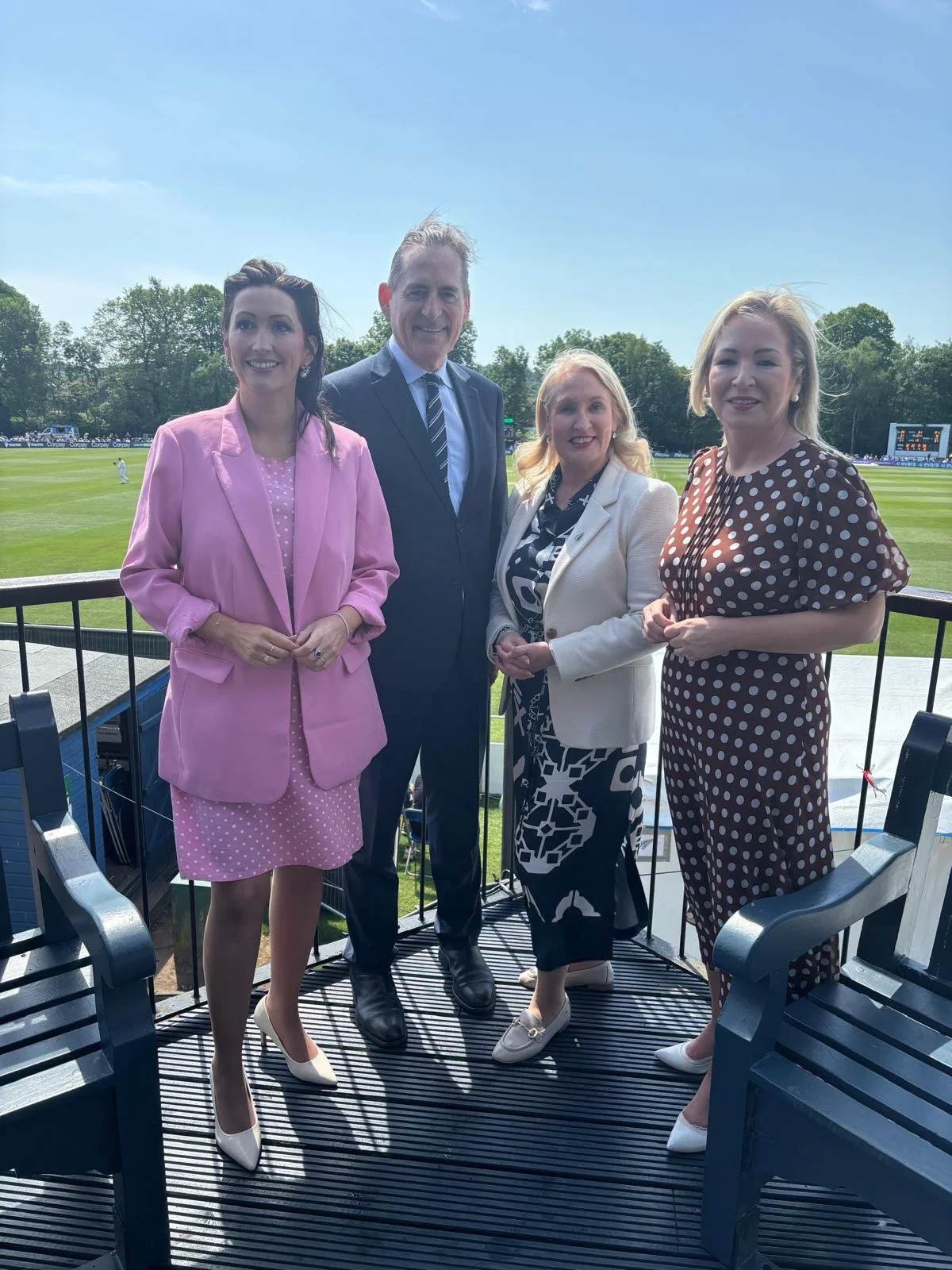
/It was an honour to host His Excellency Hamish Cooper, New Zealand High Commissioner to the UK during his recent visit programme from 27 to 29 May 2026. The visit commenced with a meeting with the senior management team from Cricket Ireland, and watching the commencement of play at Stormont Pavillion between the visiting Black Caps, New Zealand Cricket team, and Ireland playing their historic first test cricket match. It was a perfect sunny day for watching cricket and to enjoy the hospitality at the Pavillion!
The High Commissioner had the opportunity to meet with the First Minister, Deputy First Minister, and the Minister for Communities during play.
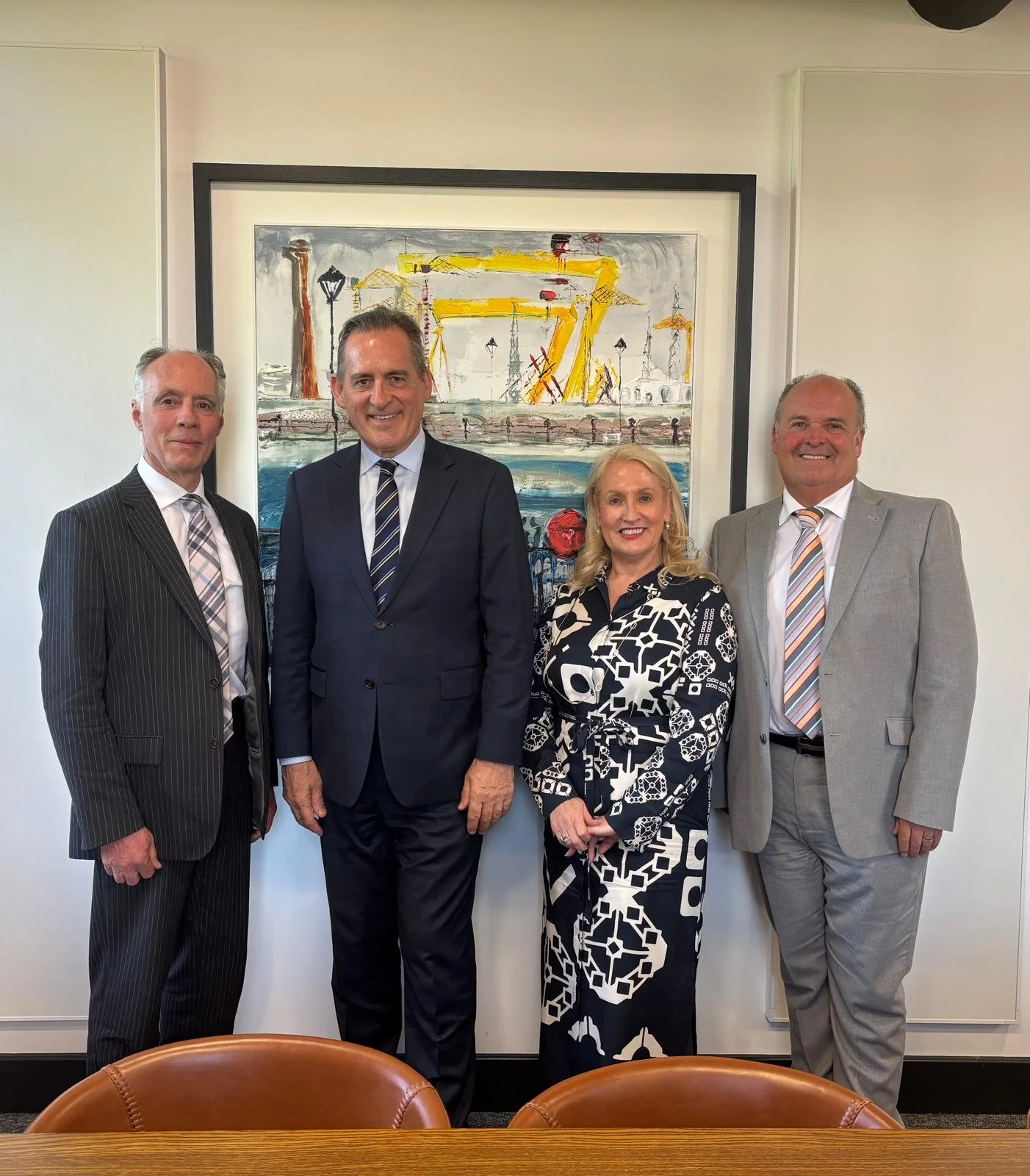
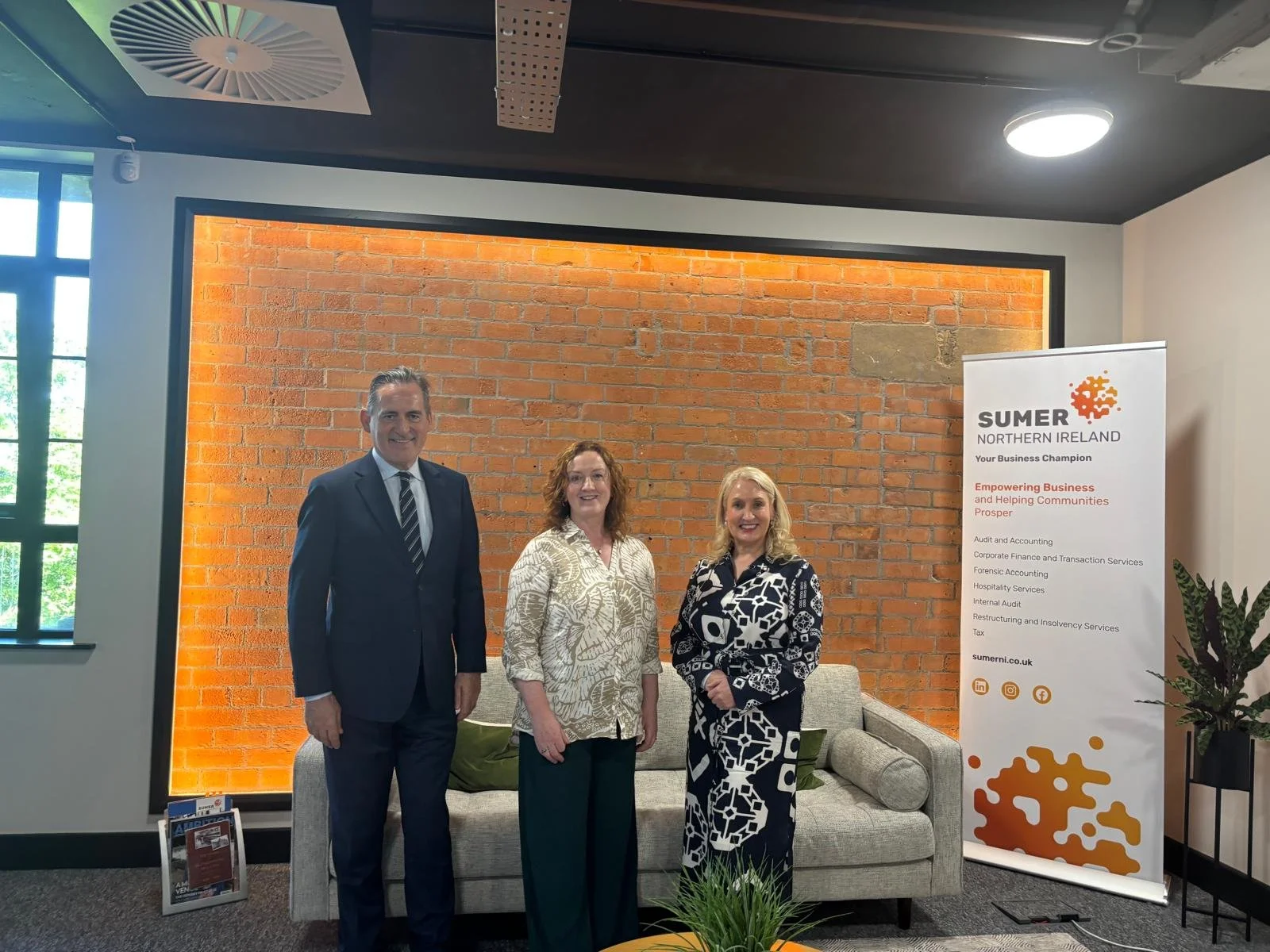
During the course of the afternoon, a number of meetings took place in Belfast city centre. The High Commissioner was able to meet with the CEO, Roger Pollen, and the Chair, Alan Lowry, of the Federation of Small Business in Northern Ireland, which was a great opportunity to discuss at a high level matters impacting businesses in NI, including the proposed NI Good Jobs Bill. This was followed by a meeting with the Chair, Shona McCarthy, and Executives of the International Fund for Ireland, and to hear more about future plans. New Zealand was an early contributor to the Fund, and has continued with its support over the years. The Funds works on cross-community projects within NI and the border counties. The Ballance House was a beneficiary of funds from the Fund during its restoration.
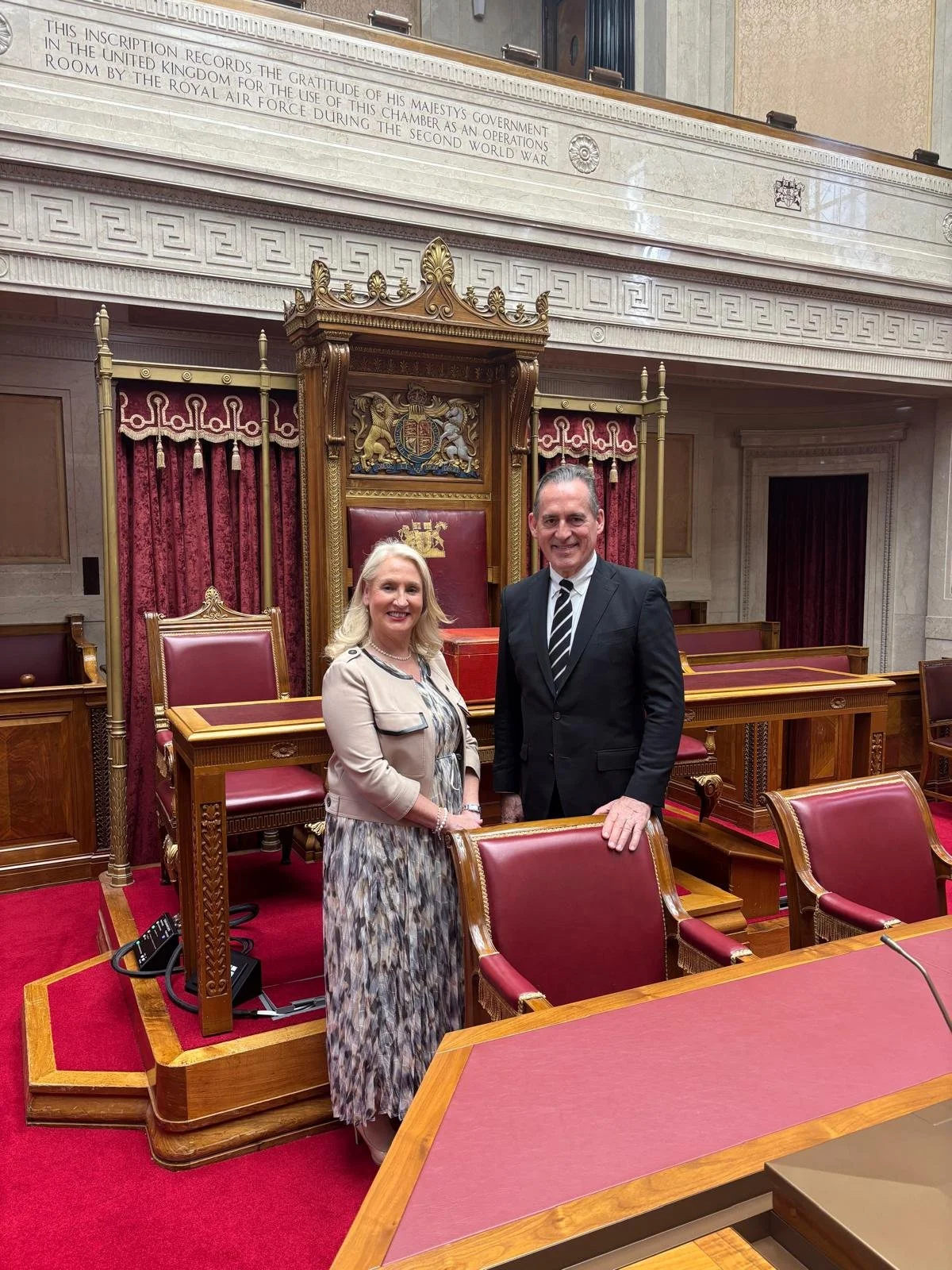
Day two of the visit took Hamish to meet with the team at The Executive Office at Stormont Castle, and from there to a guided first tour of Parliament Buildings. This was followed by an excellent meeting with The Speaker of the House, Edwin Poots. It was great to discuss the many connections between Northern Ireland and New Zealand – across business, agriculture, sporting and culture.
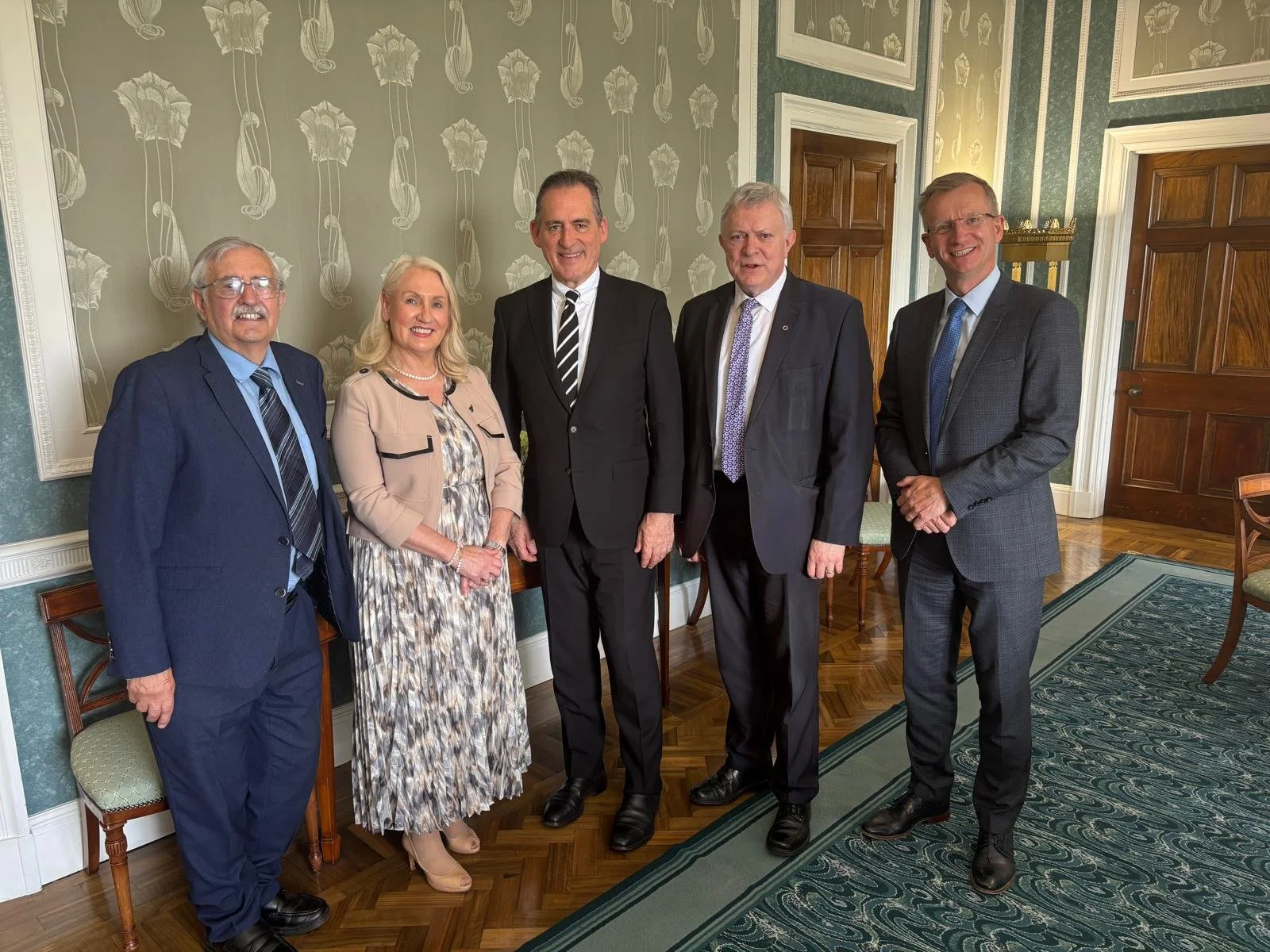
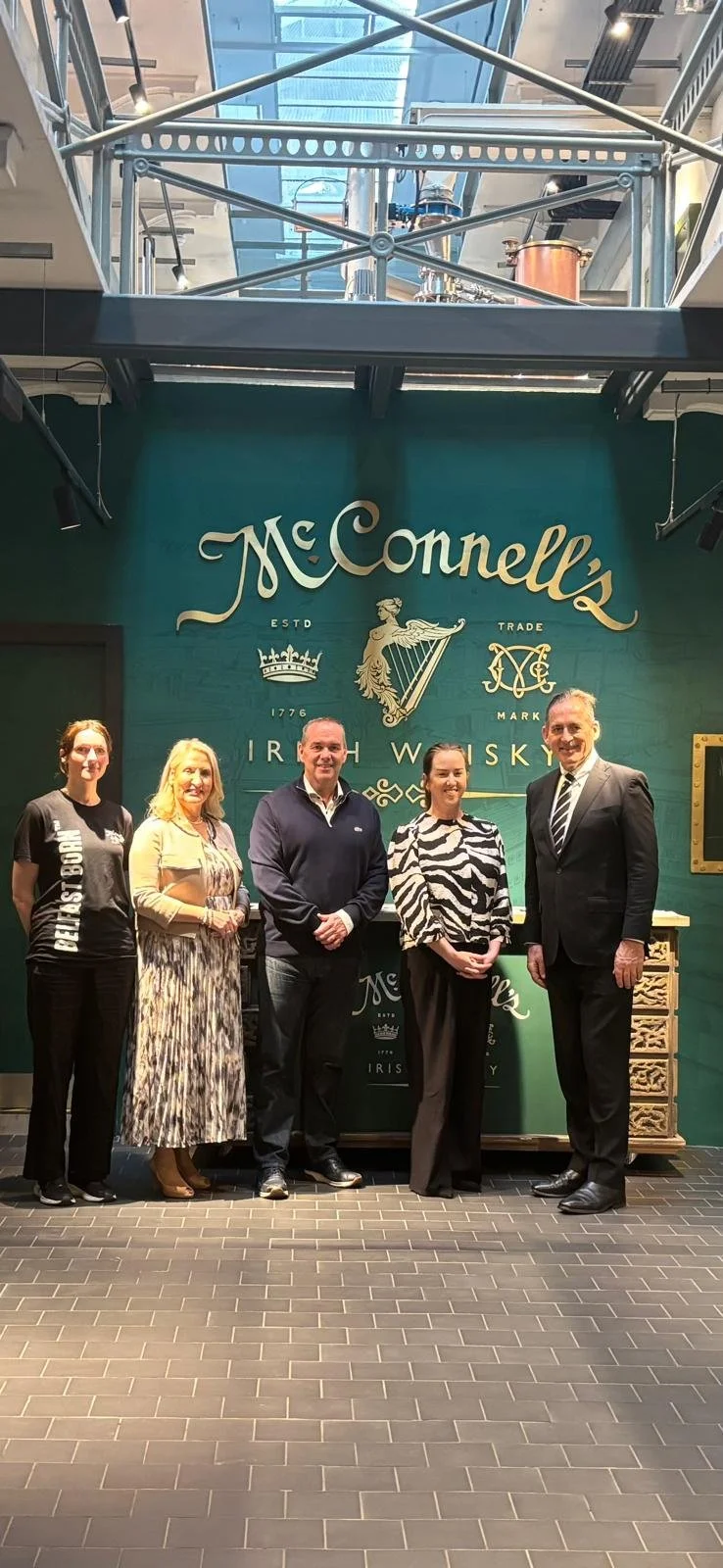
A roundtable lunch hosted by the Speaker, involving a number of cross-party representatives from UUP, Alliance, SDLP and Sinn Fein, provided a great opportunity to explore areas of mutual interest between NI and New Zealand, and key sectors of interest to both regions. The afternoon involved a visit to the wonderfully restored Crumlin Road Gaol, and to the really impressive McConnell Whisky Distillery for a tour and tasting. A visit is highly recommended!
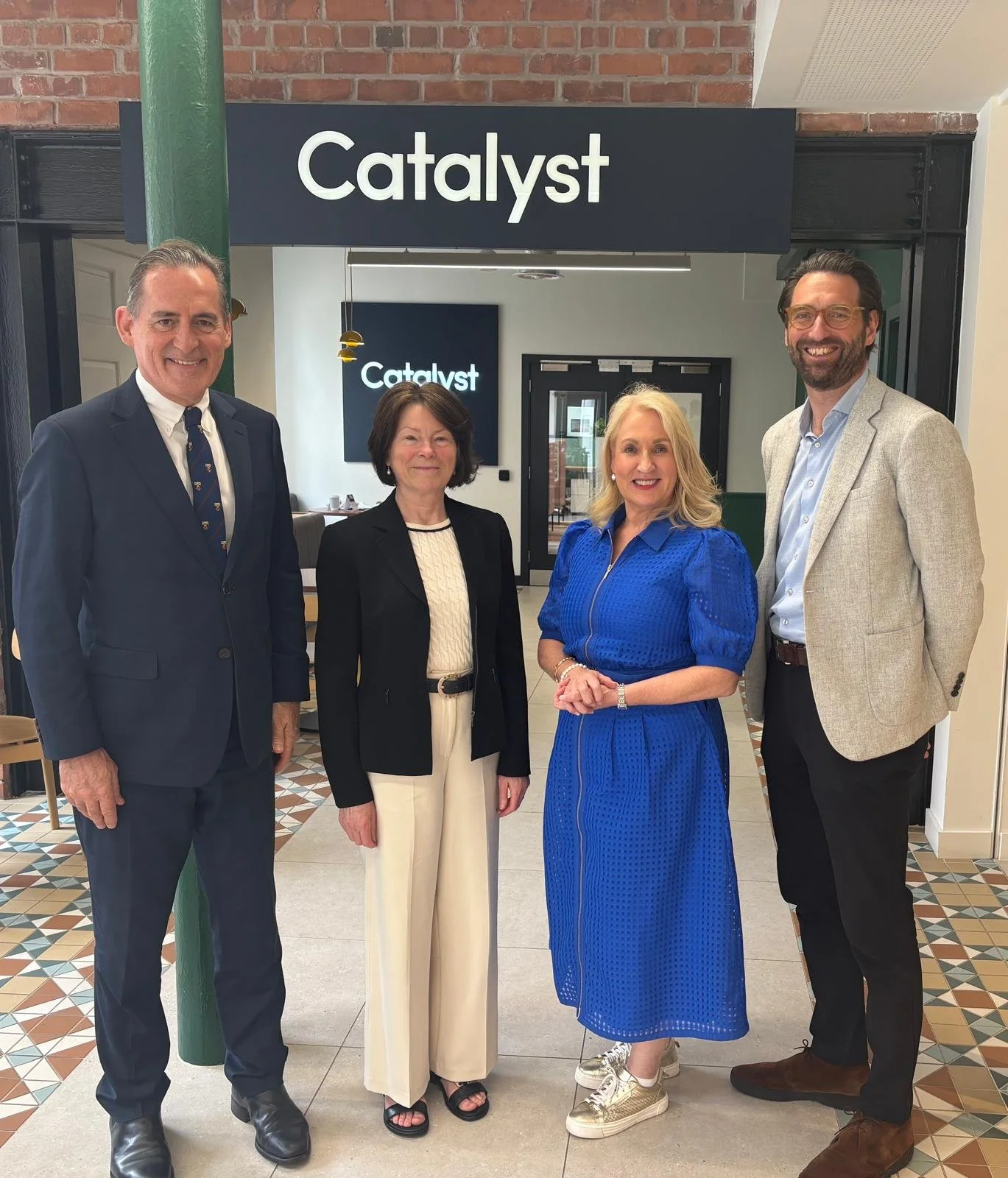
The formal part of day two concluded with a meeting at Queen’s University with the Pro-Vice Chancellor (Global Engagement) Professor Margaret Topping, and team, to discuss the potential for collaboration between Queen’s University, and those in New Zealand, especially the Massey University campuses, bearing the name of former Premier William Massey, the second longest serving Prime Minister in New Zealand, and born in Limavady.
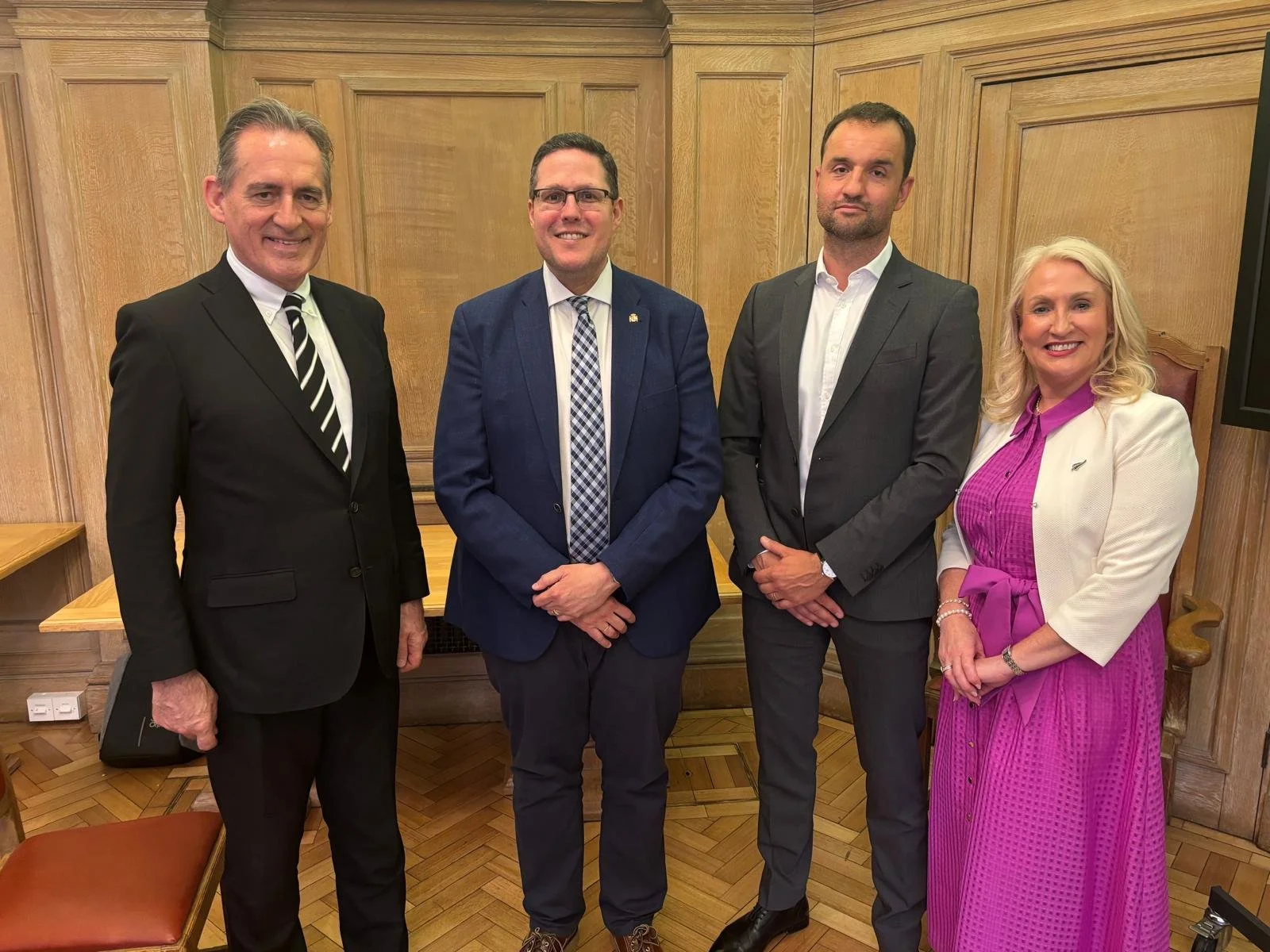
Then followed an Evening Reception in the Lanyon Building at Queen’s University, with around 70 attendees, including a number of New Zealanders who have made NI their home, plus Board Members from The Ballance House, political representatives, business leaders and business organisations, and a number of Honorary Consuls from various countries, including Brazil, Spain, India, and Hungary.
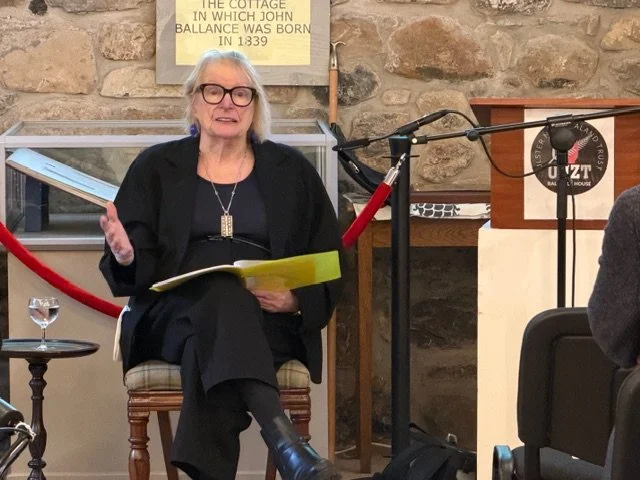
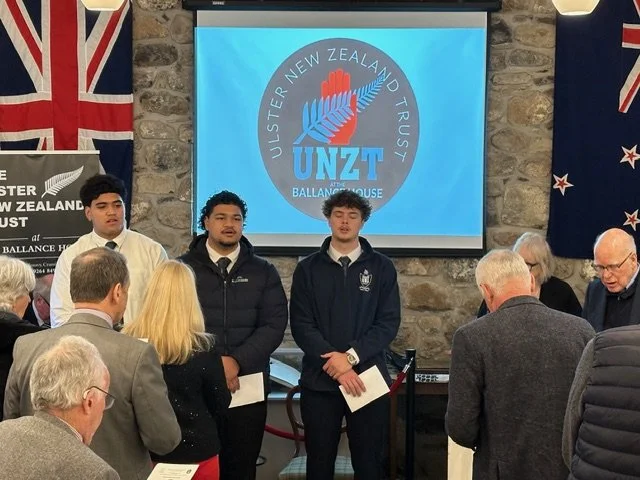
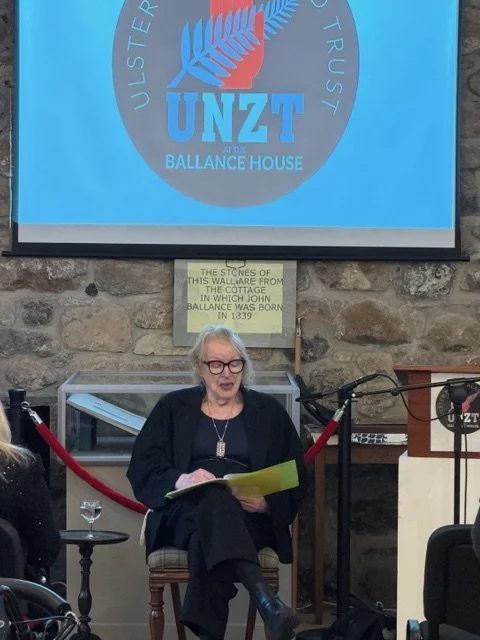
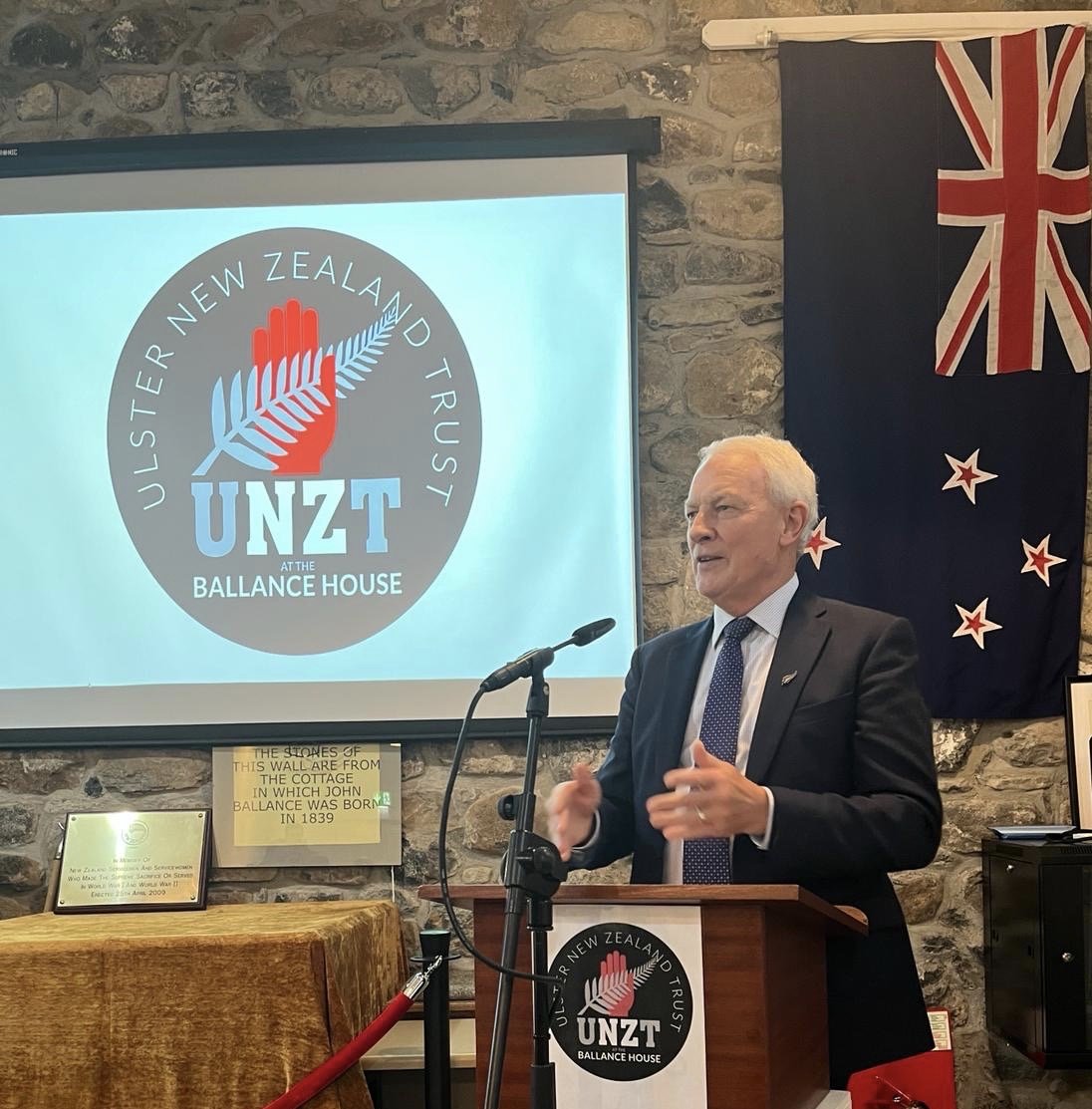
Addresses were made by the Pro-Vice Chancellor (Global Engagement) Professor Margaret Topping, followed by the High Commissioner, the New Zealand Honorary Consul, Caroline Keenan, and Freddie Hall OBE presented on former Premier John Ballance, and the attractions at The Ballance House. We also heard from Alderman Aaron Callan, discussing the life and legacy of the 19th Prime Minister of New Zealand, William Ferguson Massey, affectionately referred to as “Farmer Bill”. Bryan Johnston provided a touching tribute to the young 26 New Zealand airmen who lost their lives in NI during World War II, and are laid to rest at various cemeteries around the province. He then presented a named montage of them to the High Commissioner.
The programme for day three commenced with various business meetings at Invest NI, focusing on international trade, exports, research and development, AI, collaboration, aerospace, space and science & technology.
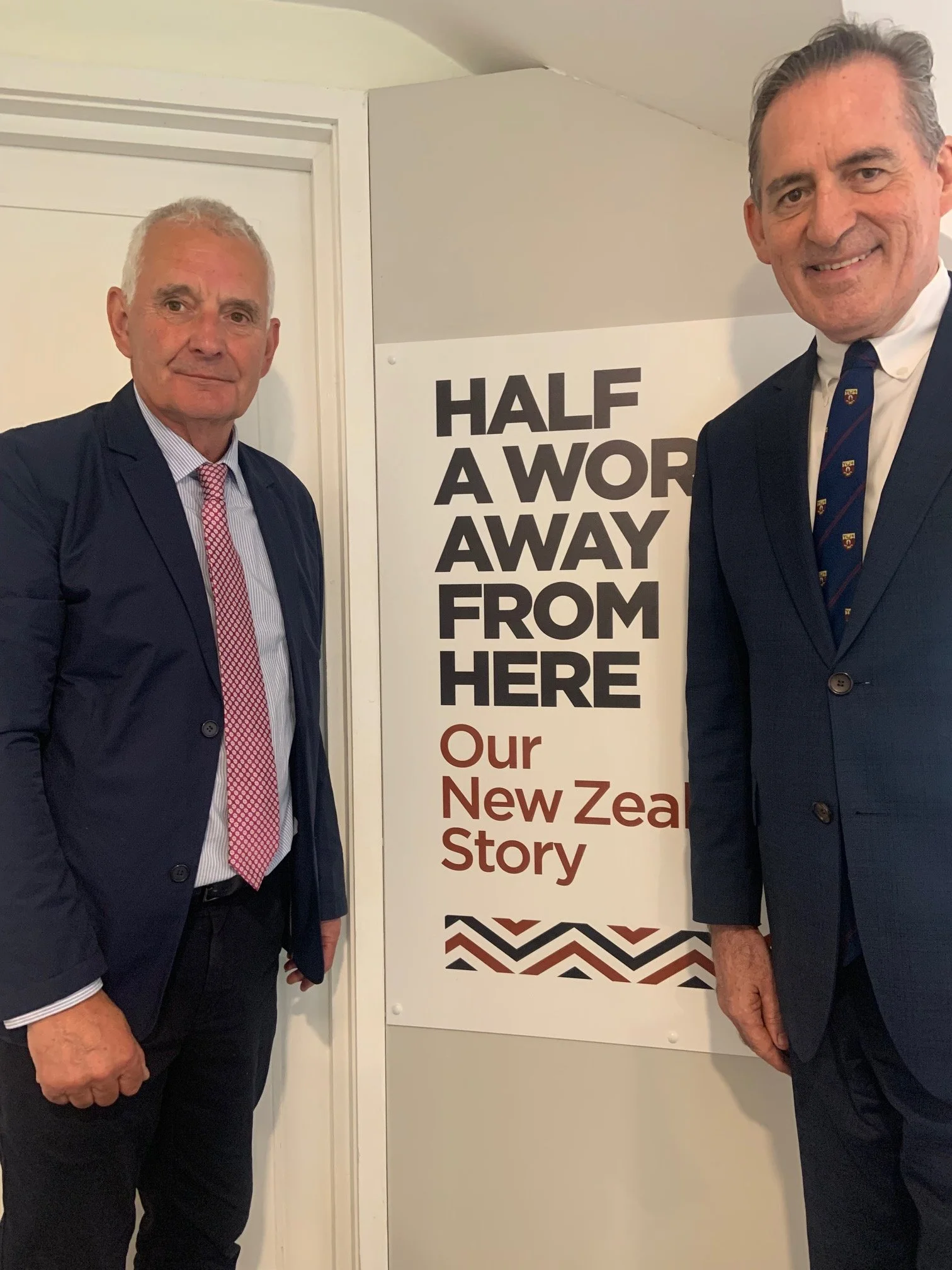
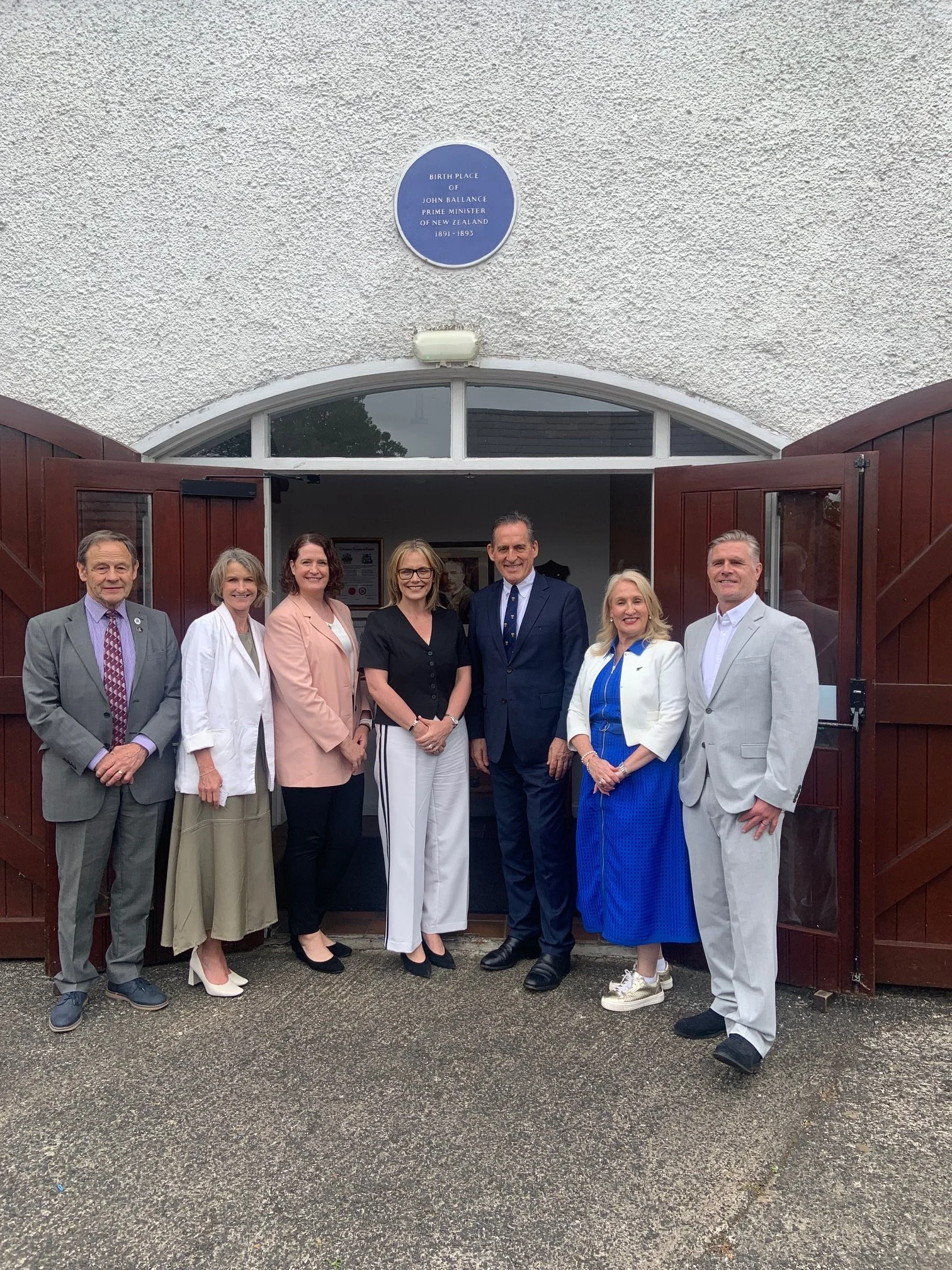
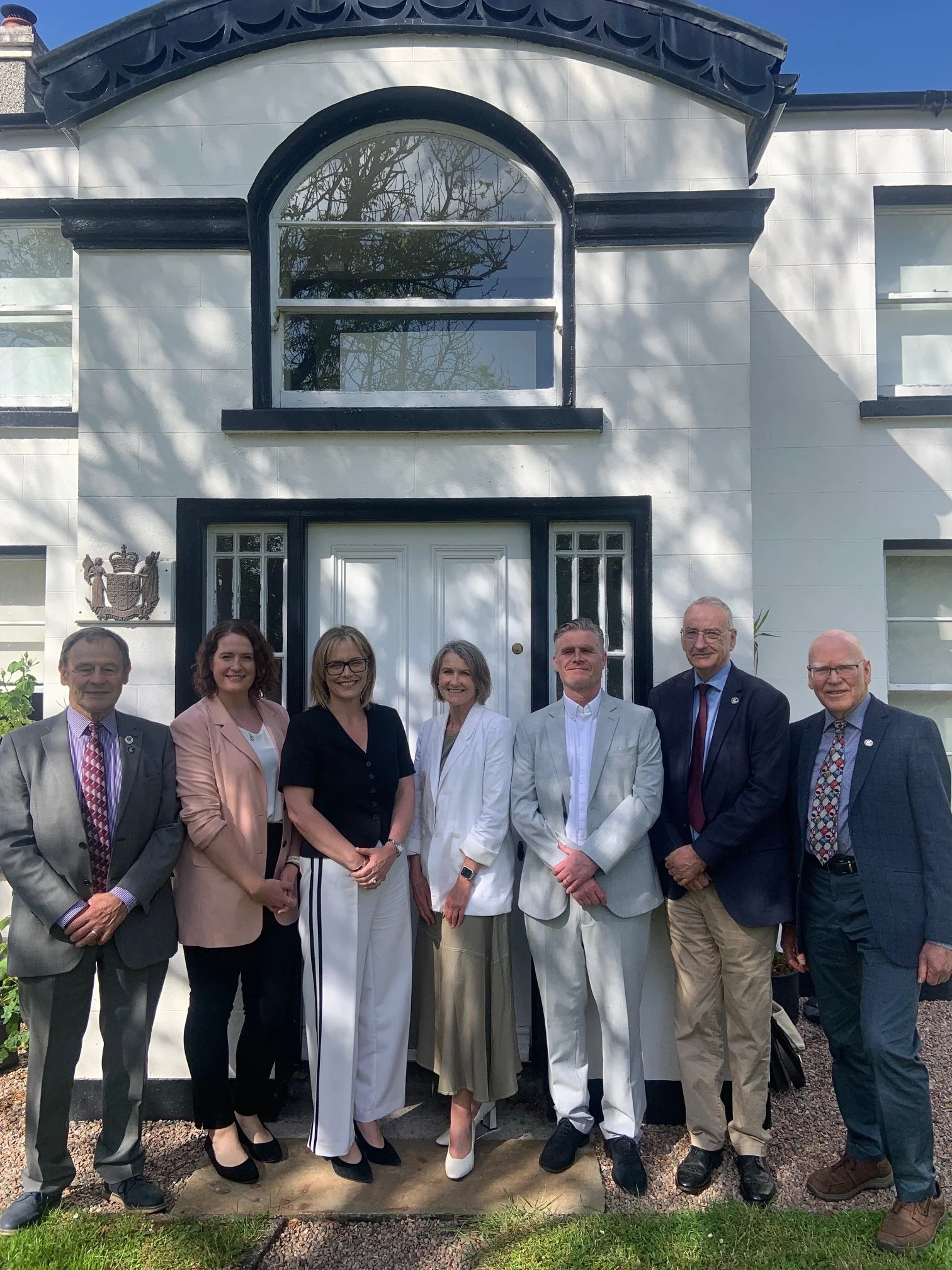
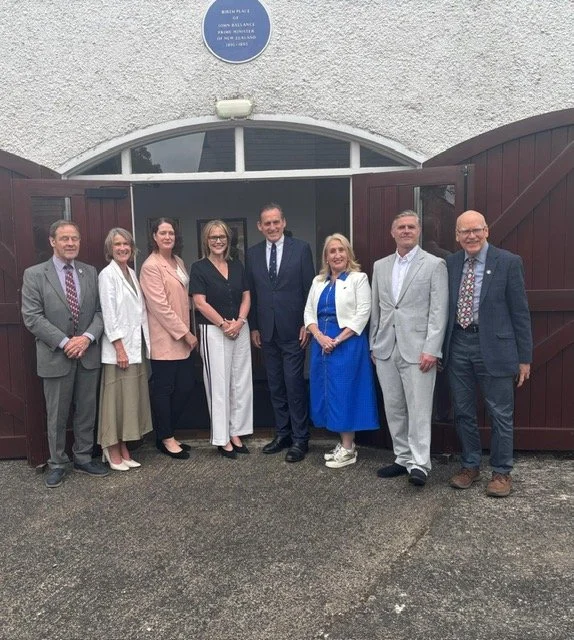
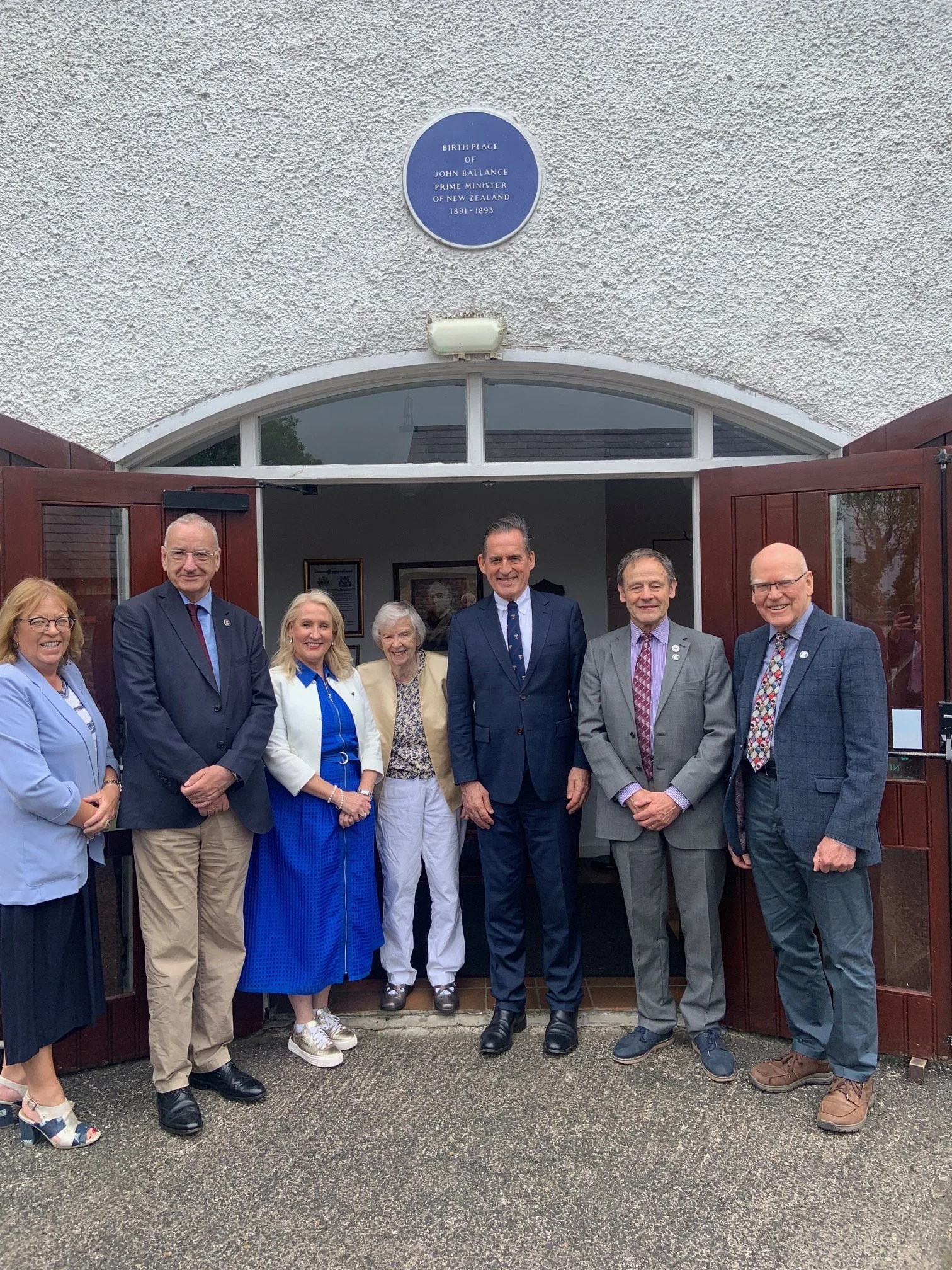
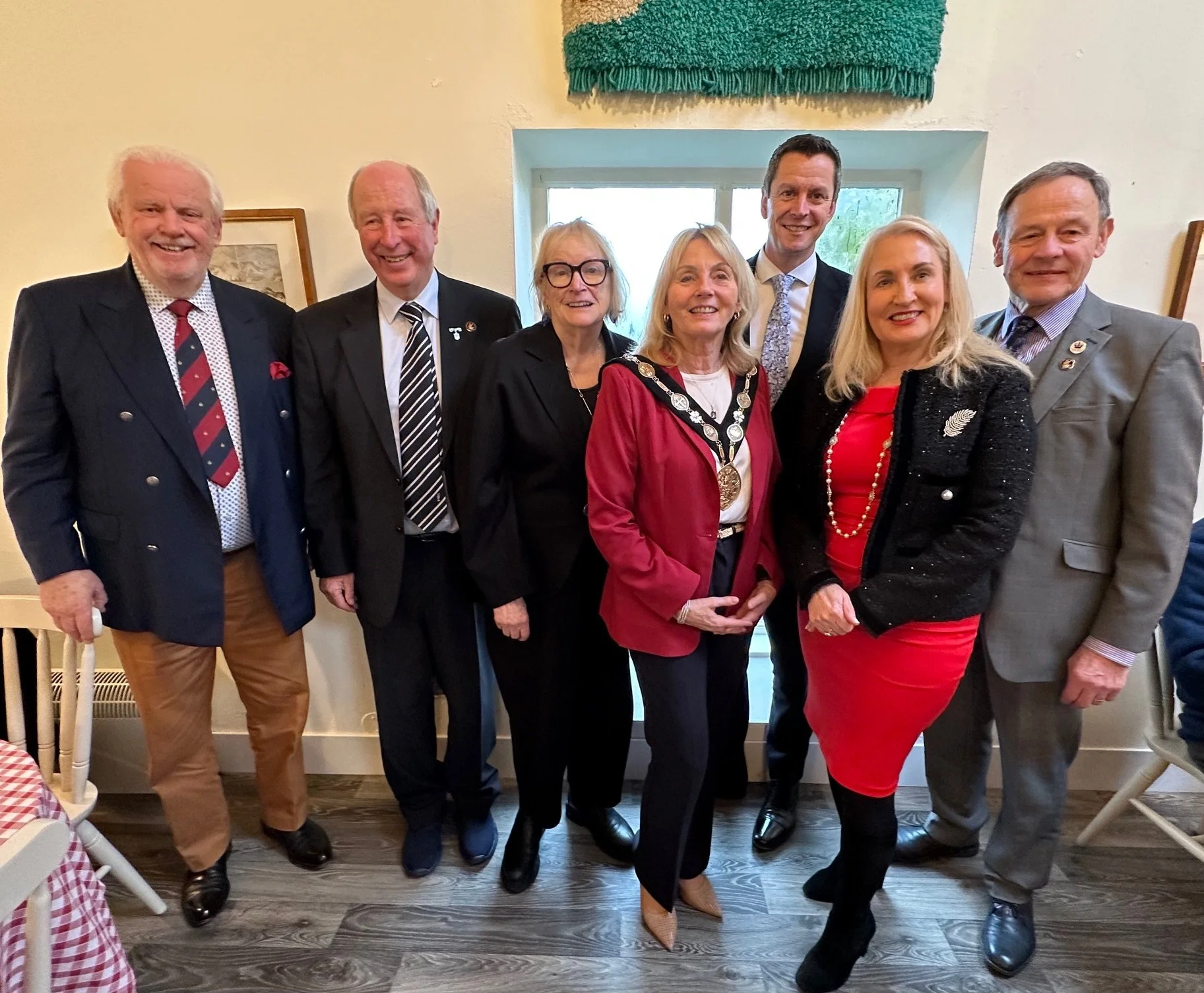
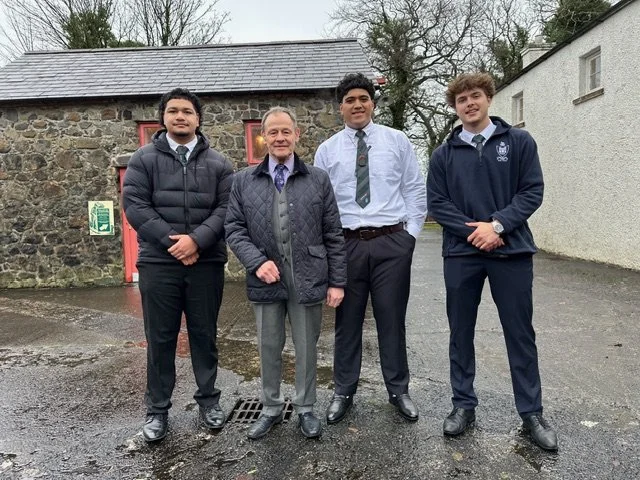
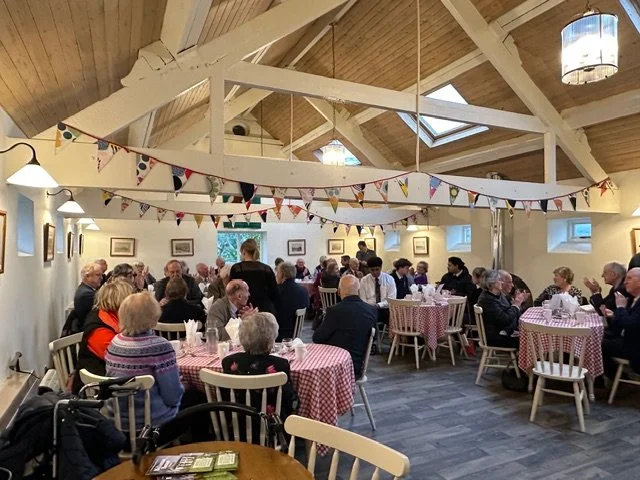
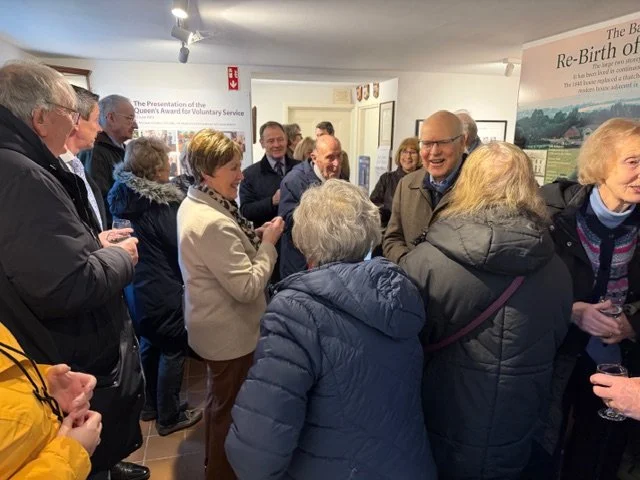
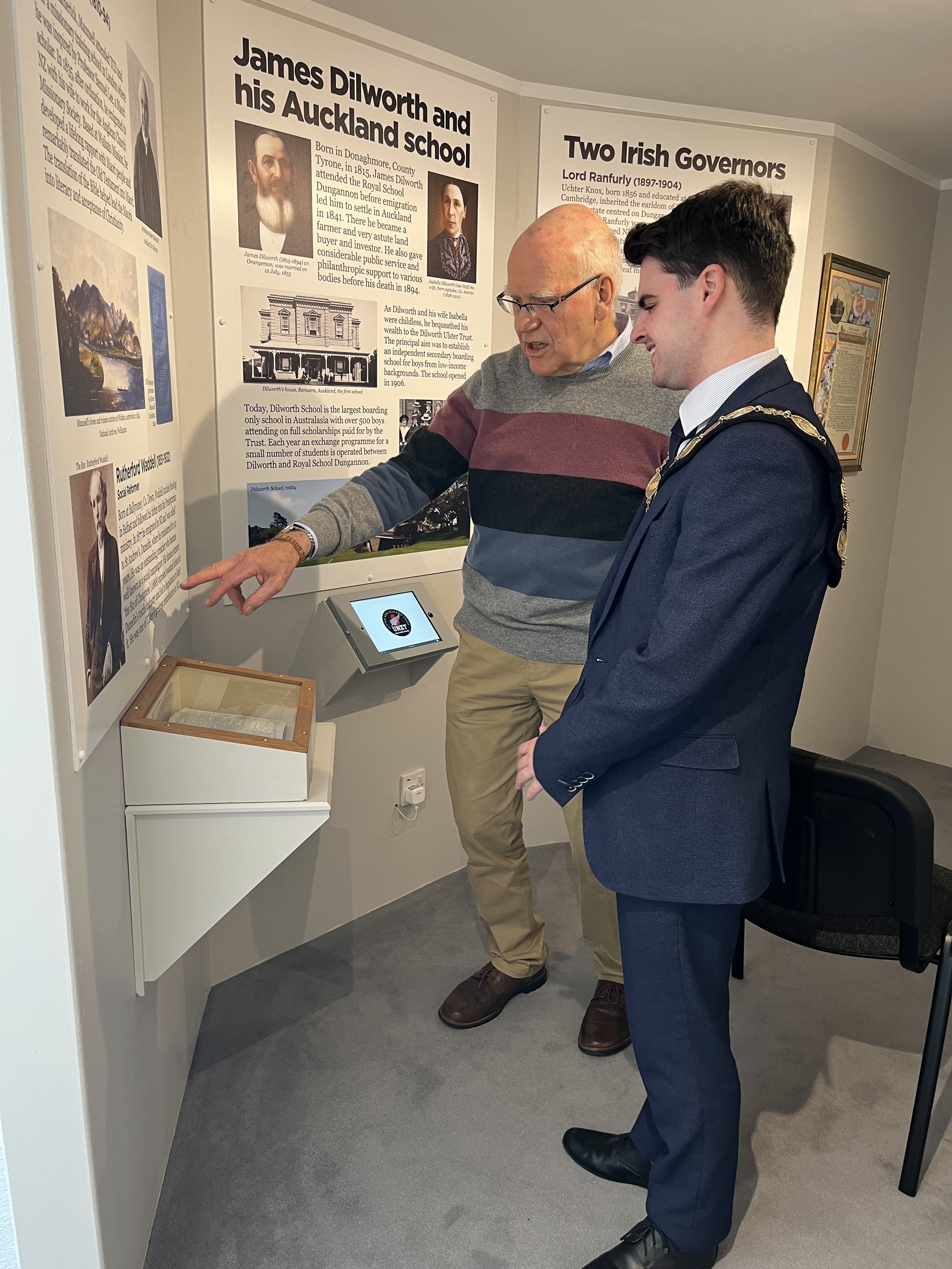
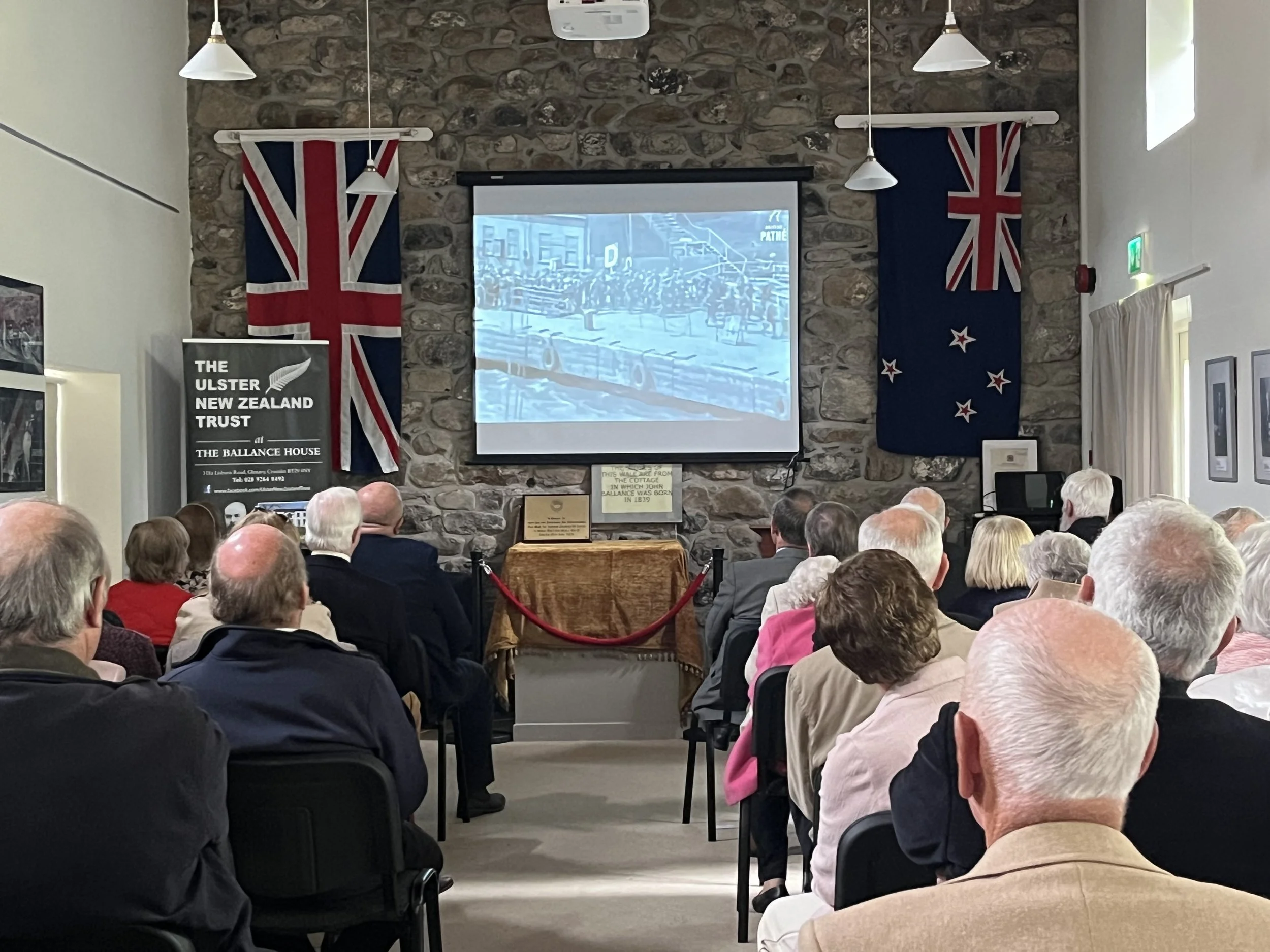
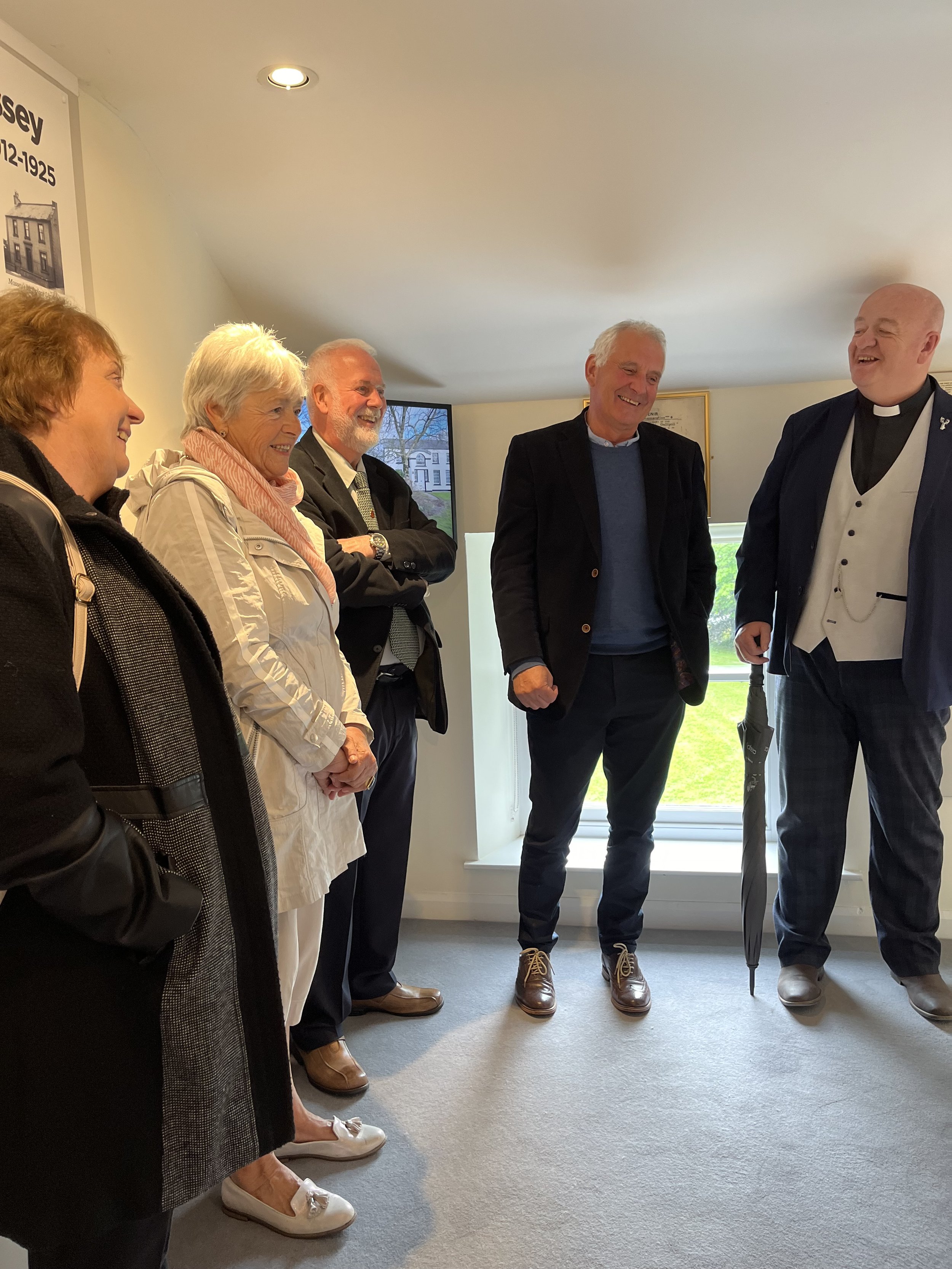
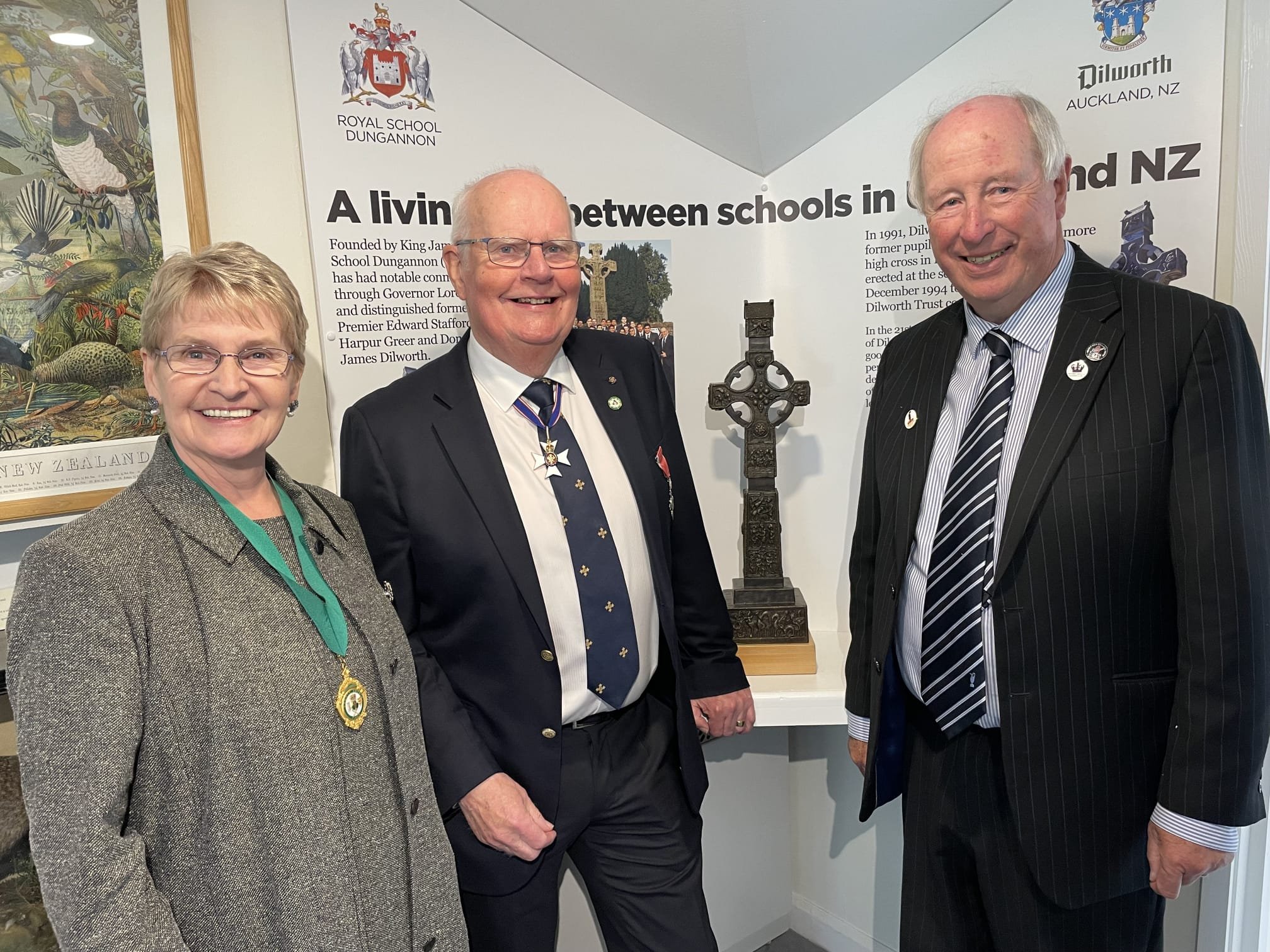
Saving the best to last, and the real highlight of the visit programme, was a visit to The Ballance House, meeting with the Board members over lunch, and hearing about the work carried out by the Ulster New Zealand Centre, followed by a tour of the Exhibition for the High Commissioner. Having previously visited The Ballance House, during his time as First Secretary to the UK & Ireland, some years ago, His Excellency Hamish Cooper was extremely impressed with the substantial work carried out over the years, and the excellent exhibition profiling the connections with New Zealand.
It was a fantastic opportunity to meet with the CEO of Tourism NI, Laura McCorry, and a number of her colleagues alongside the High Commissioner, to focus on the promotion of The Ballance House, where several ideas were discussed as to how best to increase the profile of the centre and to attract visitor numbers.
A very successful visit!
Caroline Keenan, Honorary Consul for New Zealand in Northern Ireland